12-9-2025 I and I Presentation
City Advances Plan to Reduce Sewer Overflows Through Targeted Infrastructure Improvements
At a recent City Council Workshop, City Engineer Pete Gulbronson provided an update to City Council on infrastructure improvements. The City of Tybee Island is taking important steps to address inflow and infiltration (commonly referred to as “I&I”) within the sanitary sewer system—an issue that contributes to sewer overflows during heavy rain events and places added strain on wastewater infrastructure.
What is Inflow and Infiltration?
Inflow occurs when stormwater enters the sanitary sewer system through improper connections such as roof drains, driveway drains, or leaking manhole covers. Infiltration happens when groundwater seeps into sewer pipes through cracks, deteriorated joints, or damaged infrastructure. Together, these issues can overwhelm the system, especially during significant rainfall, and lead to sewer spills.
Recent rainfall events in the late summer highlighted the urgency of the issue, with the City’s Wastewater Treatment Plant processing an average of 2.1 million gallons of additional water during peak storms. In response, City staff launched a comprehensive investigation to pinpoint problem areas within the system
Investigation and Key Findings
The City cleaned and televised approximately 5,500 linear feet of sewer lines, focusing on areas with abnormally high pump run times—particularly at Lift Station #2. This investigation identified three major sources of infiltration:
Failing Manholes
Deteriorated Sanitary Sewer Mains
Leaking Private Sewer Laterals
Work Completed to Date
Several corrective actions have already been completed:
-
Manhole Rehabilitation:
A manhole on Miller Avenue was raised four feet above the floodplain and sealed to prevent stormwater intrusion.
Four additional brick manholes were rehabilitated and lined with epoxy to create a watertight interior.
-
Emergency Sewer Repair:
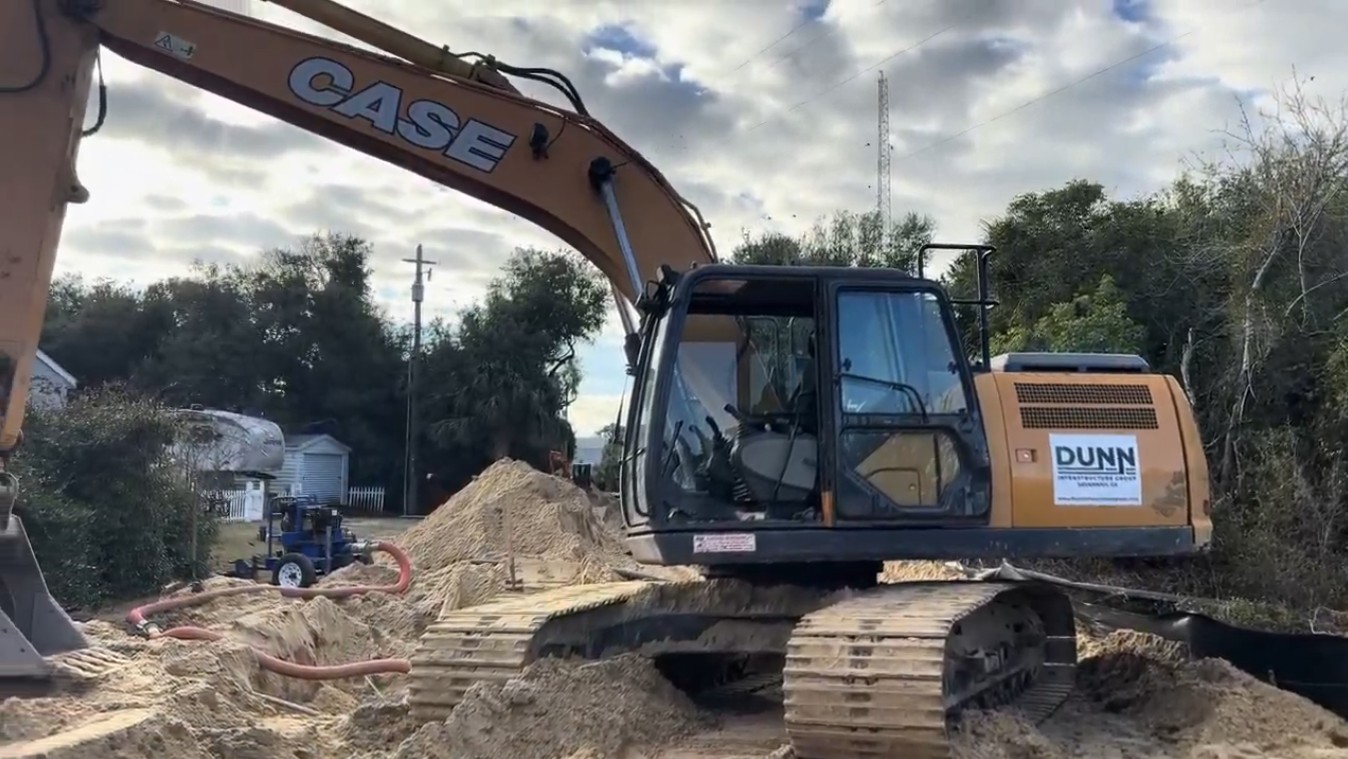
A partially collapsed sewer line at 209 Jones Avenue was repaired, including installation of a new manhole, after a sinkhole was discovered during inspections.
These completed efforts represent a significant first step toward reducing excess water entering the sewer system.
Proposed and Upcoming Improvements
Based on inspection results, the City is proposing a multi-phase rehabilitation strategy:
Manhole Improvements:
Rehabilitation of 27 additional manholes currently in poor condition.Sanitary Sewer Line Rehabilitation:
Replacement or lining of nearly 1,700 feet of sewer main in high-priority areas where pipes are aging, damaged, or have collapsed in the past.Private Lateral Program (In Development):
Inspections identified 61 leaking private sewer laterals, which also contribute to I&I. While laterals are the responsibility of property owners, the City is developing policy options that may include cost-sharing programs, City-managed repairs with repayment through utility billing, or required owner repairs.
Funding Strategy
To help offset costs, the City plans to pursue funding through the Georgia Environmental Finance Authority (GEFA), including:
A low-interest loan with up to 30% principal forgiveness for sewer rehabilitation projects.
A fully forgivable loan for additional sewer inspections and wastewater treatment plant assessments.
If approved, these funding sources could significantly reduce the financial burden of these critical infrastructure improvements.
Looking Ahead
Reducing inflow and infiltration is a key part of protecting public health, improving environmental resilience, and ensuring the long-term reliability of Tybee Island’s sewer system. City staff will continue refining project priorities, seeking funding opportunities, and developing policies to address both public and private infrastructure needs.
Additional updates will be shared as projects move forward.

Thank you for your contribution!
Help us reach out to more people in the community
Share this with family and friends